


Conservation framing for corporate art, archives and heritage assets
Preserving the pieces that reflect an organisation’s cultural identity, achievements and legacy
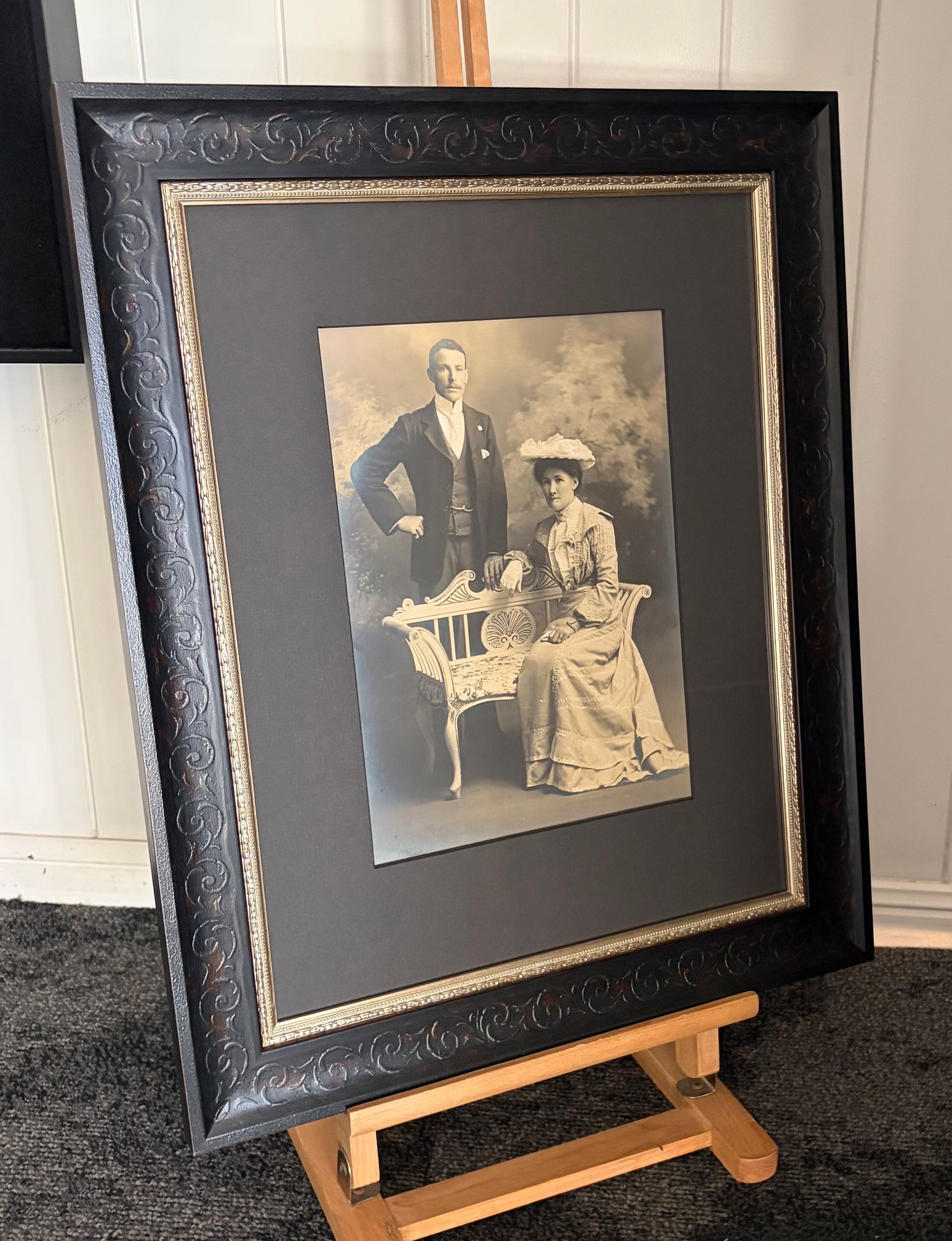
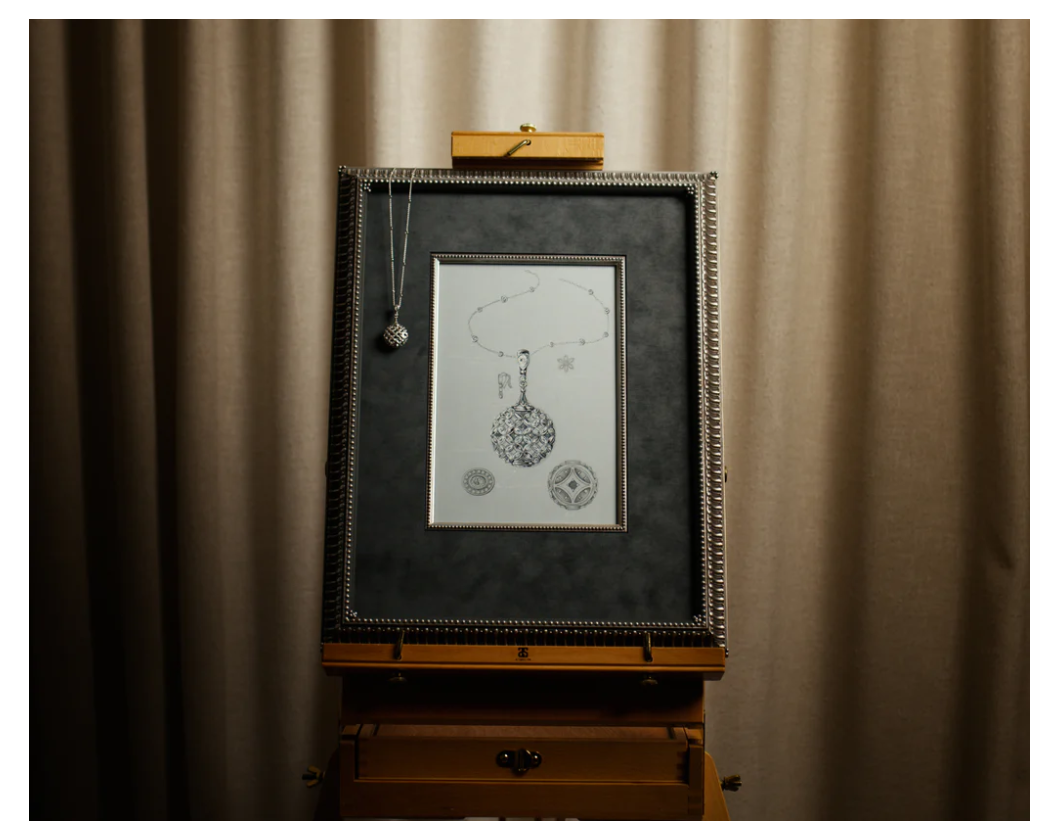
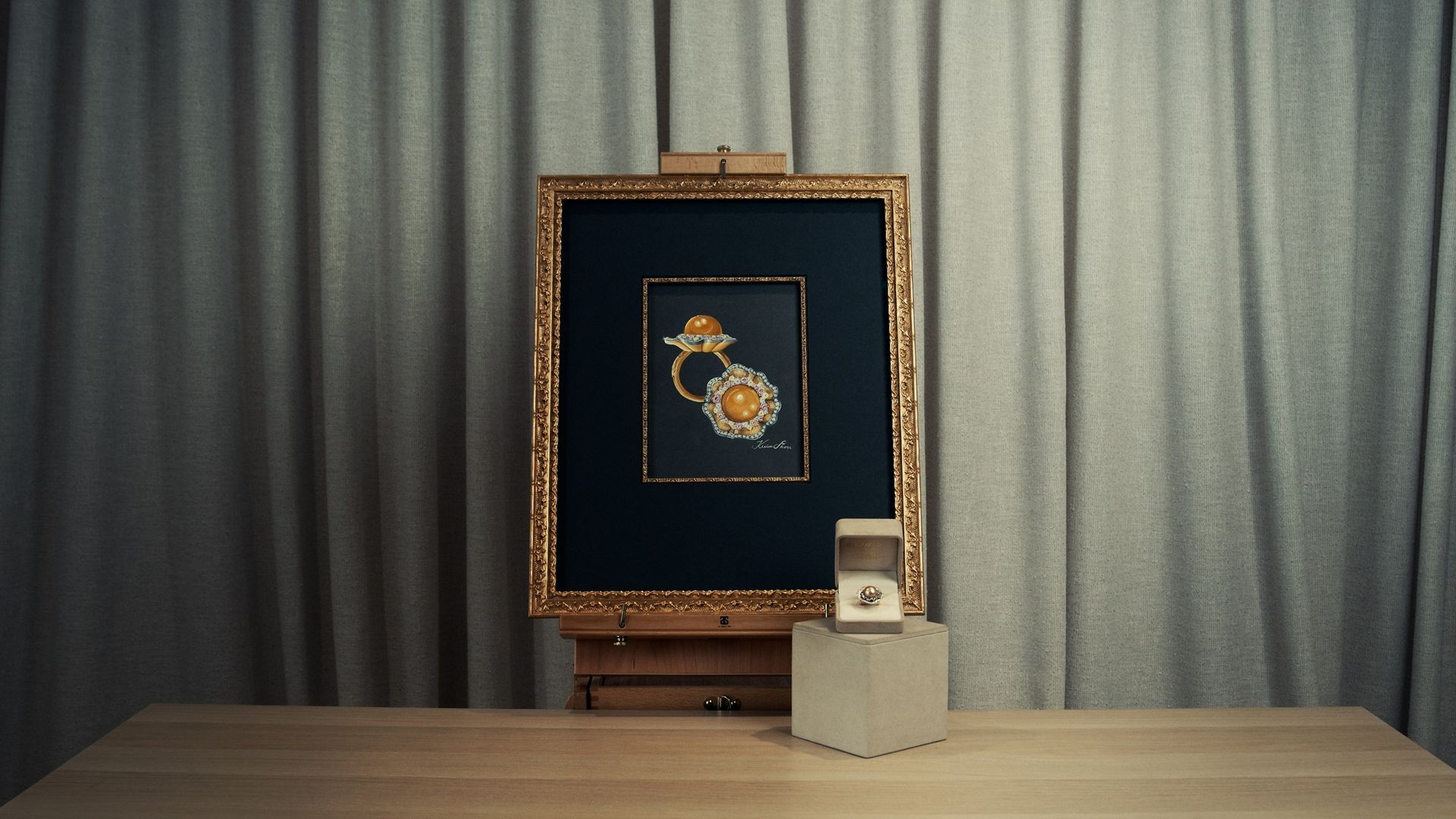
Across many organisations — from businesses and councils to galleries, universities and community institutions — there are pieces that hold significance far beyond their material form. Historical photographs, architectural drawings, engineering blueprints, awards, certificates, uniforms, memorabilia, cultural artefacts, archival documents, maps, three‑dimensional objects and even corporate art collections all contribute to an organisation’s identity, history and connection with its stakeholders and wider community.
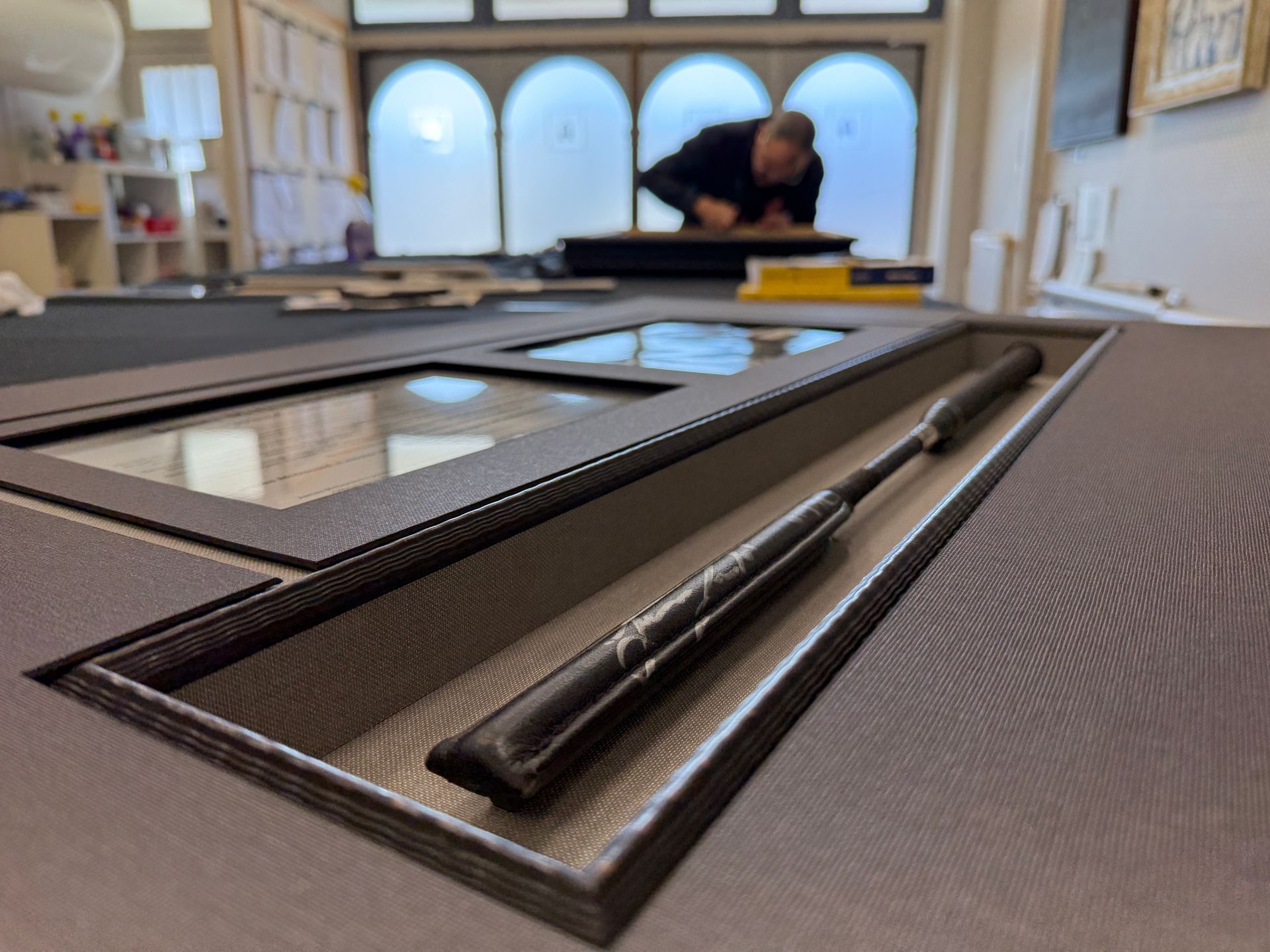
These items are often irreplaceable. Yet many are displayed or stored in ways that unintentionally accelerate deterioration. Conservation framing applies the same preservation principles used by museums, galleries and collecting institutions to protect these assets without altering their original condition. It helps support their long-term stability, preservation and presentation over time.
However, conservation framing is not a one-size-fits-all process. Every piece has its own history, materials, condition and context, and these factors guide the conservation approach. The framing solution must not only protect the item, but also respect its significance and ensure it can be experienced and appreciated within its organisational environment.
What conservation framing is for corporate collections
Conservation framing is the standard used by museums, galleries and collecting institutions to protect artworks and objects without altering their original condition. It combines reversible, pH-neutral mounting methods, archival-grade materials, UV-filtering glazing, controlled spacing, sealed framing packages and careful handling protocols to support the long-term stability and preservation of significant pieces.
For organisations, these methods are increasingly essential. Many corporate, civic and institutional collections include items with historical, cultural, legal or brand significance. These pieces are not simply decorative; they are records of identity, achievement and continuity — organisational assets that require preservation practices aligned with their significance and intended use.
Why conservation framing is relevant for organisations
Asset protection and longevity: For organisations, deterioration represents more than physical damage — it risks the loss of history, identity and irreplaceable records. Corporate art, archival documents and heritage items often support brand reputation, cultural memory, compliance obligations or public trust. Protecting these assets helps maintain their condition, supports ongoing display readiness, reduces the likelihood of costly restoration, and preserves items that may be historically significant, reputationally important or impossible to replace.
Risk management and governance: Deterioration can compromise the condition and integrity of organisational records, affect the presentation of important documents, and place significant historical or reputational assets at risk. Conservation framing aligns with responsible stewardship, risk mitigation and recognised preservation standards — helping organisations demonstrate that important documents, certifications, records and heritage pieces are being cared for using practices aligned with those adopted by professional institutions and collecting organisations.
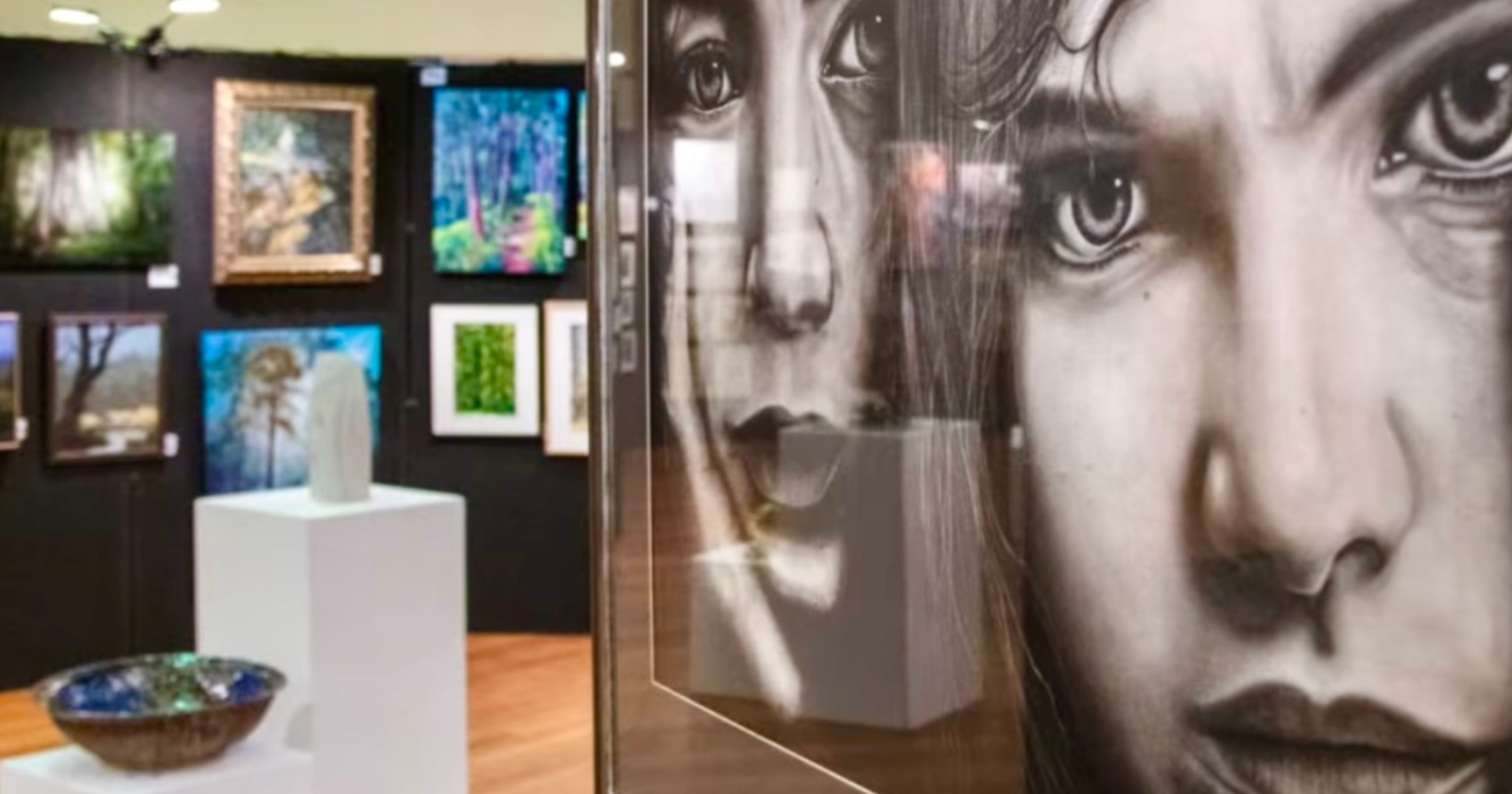
Professional presentation: Corporate art and archival pieces often sit in public-facing environments — boardrooms, foyers, meeting spaces, galleries and offices. Conservation framing ensures these pieces are presented with clarity, precision and respect for their historical or cultural context. Importantly, preservation does not need to come at the expense of presentation; thoughtful conservation framing balances protection with design, ensuring each piece is displayed and integrated into its environment while respecting its significance and maintaining the conservation standards required for long-term care.
Supporting organisational identity: Heritage items and corporate art collections reflect brand values, organisational history, community connection and cultural identity. Preserving these pieces protects the stories, achievements and milestones that shape how an organisation is understood — both internally by employees and externally by customers, visitors, partners and the wider community.
How conservation framing protects organisational assets — a technical overview
For organisations, conservation framing is a structured preservation method designed to protect items that may hold historical, reputational or compliance value. Each decision contributes to the long-term care and stability of artworks, documents and objects that form part of an organisation’s identity and record.
1. UV filtering glazing — protecting against irreversible light damage
Light can permanently damage corporate collections. ARTSHOP uses conservation-grade Tru Vue UV-filtering glazing to significantly reduce fading, embrittlement and colour shift in photographs, works on paper and sensitive pigments. For organisations displaying items in foyers, boardrooms or public spaces, this glazing is an important consideration for maintaining visual integrity over time.
2. Archival, pH neutral materials — preventing chemical deterioration
Corporate documents, blueprints, certificates and artworks are vulnerable to yellowing and brittleness when exposed to acidic or high‑alkaline materials. Conservation framing relies exclusively on pH-neutral, archival-grade boards and supports, helping maintain long-term chemical stability and reducing the risk of irreversible degradation.
3. Reversible mounting methods — ensuring future flexibility
Organisational assets often need to be reframed, loaned, digitised or re‑documented. Conservation framing uses reversible, pH‑neutral mounting methods — never glues, pressure‑sensitive adhesives or tapes. For works on paper, conservation hinge‑mounting supports the artwork while allowing for the natural expansion and contraction that occurs with fluctuations in temperature and humidity. This allows the piece to move safely within the frame and be removed in the future without damage.
4. Structural support and spacing — preventing physical damage
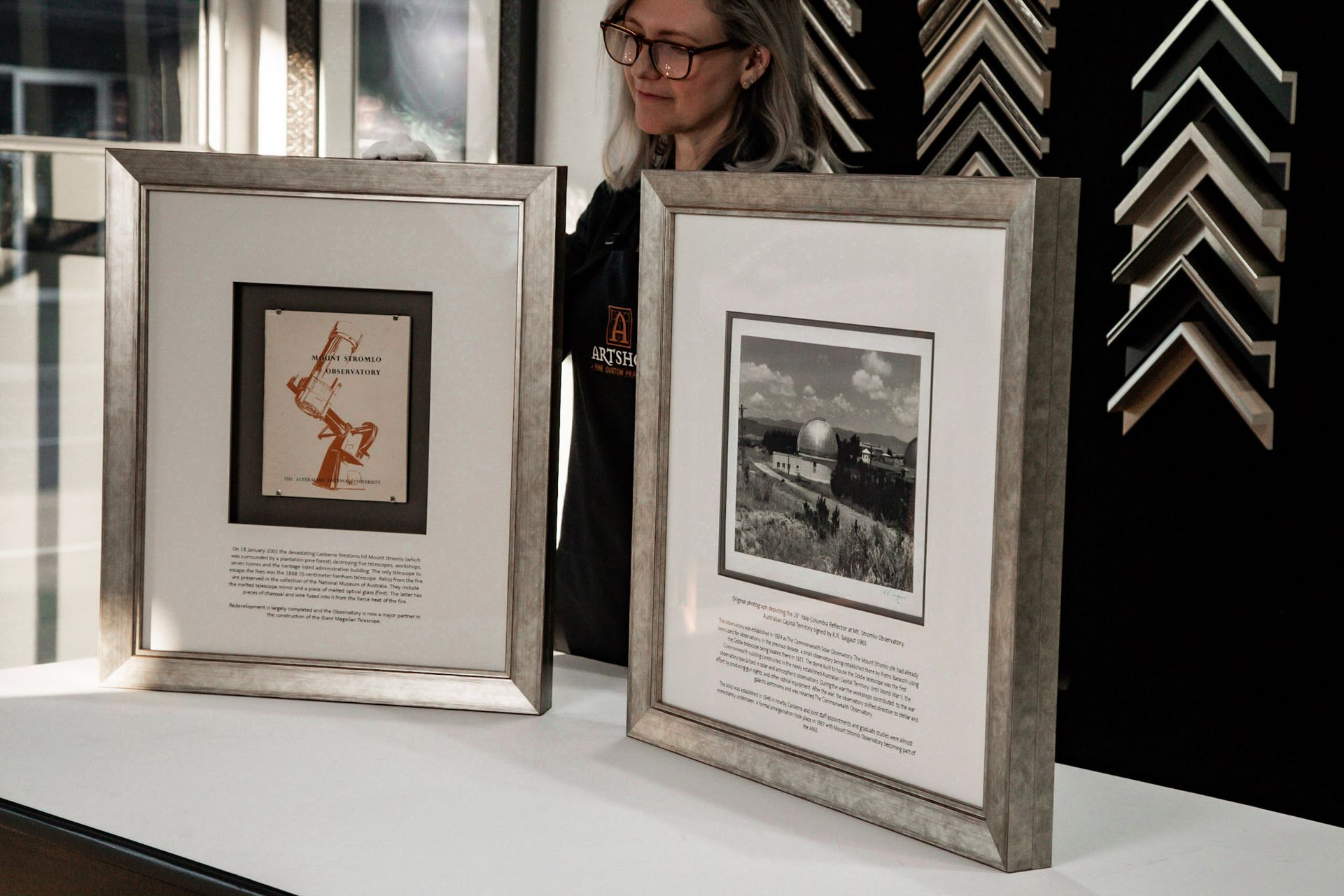
Many corporate items — from architectural drawings and engineering blueprints to historical photographs, certificates and archival documents — are sensitive to pressure, moisture and surface contact. Conservation framing incorporates appropriate spacing, so the artwork never touches the glazing, reducing risks of foxing, mildew, surface adhesion, abrasion or moisture transfer.
5. Sealed framing packages — creating a stable internal environment
Dust, airborne pollutants and the risk of insect intrusion can compromise organisational assets over time. A sealed framing package creates a stable internal environment that protects against external contaminants and helps buffer the artwork from fluctuations in temperature and humidity — supporting long-term preservation, especially in high traffic or variable climate workplaces.
6. Institutional level handling protocols — ensuring safe custody
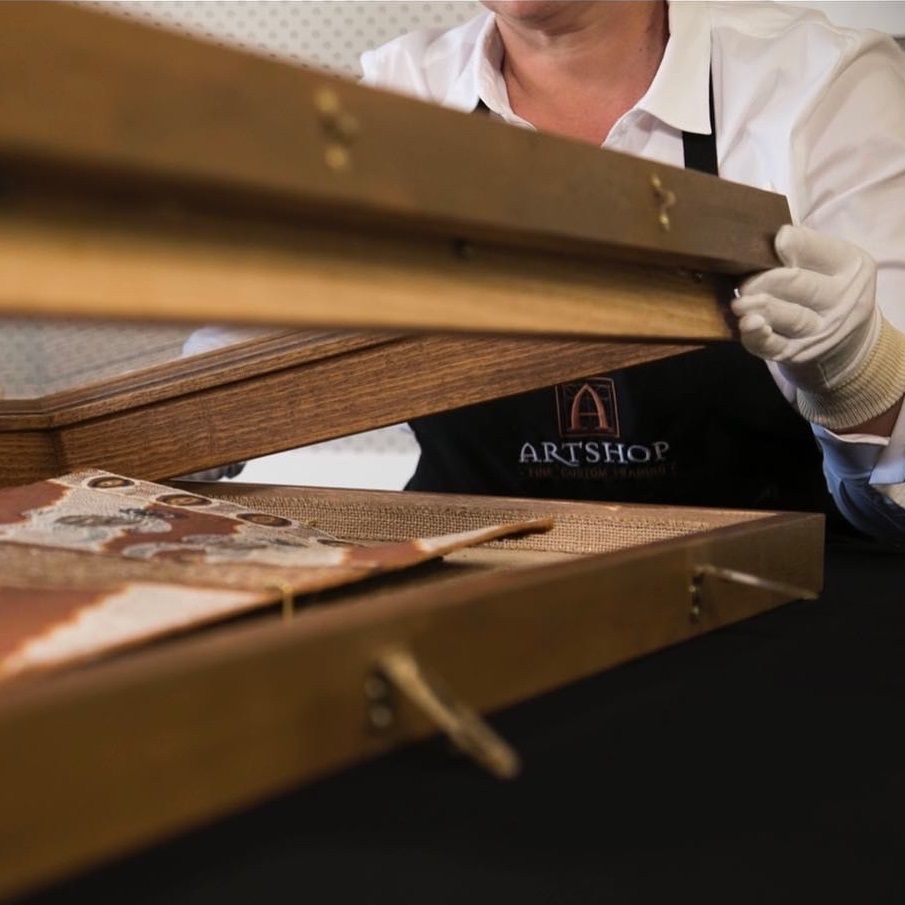
Organisations often require confidence in the chain of custody for valuable or historically significant items. ARTSHOP follows strict handling protocols, including:
- cotton gloves
- pH‑neutral storage packing
- dust‑free workspaces
- controlled atmospheric conditions
- written and photographic documentation before, during and after treatment
These measures support careful handling and documentation throughout the framing process, with every piece managed to the same standard of care expected in institutions that hold and care for collections, such as museums, galleries, archives and libraries.
What types of corporate items can be conservation framed?
Almost any item of significance to your organisation can be framed to conservation standards. This includes corporate art collections, historical photographs, architectural drawings and engineering blueprints, awards, certificates and commemorative items, textiles, uniforms and memorabilia, cultural artefacts, archival documents, maps and three-dimensional objects. The most appropriate conservation approach depends on the materials, condition, history and intended use of each piece. In short, when an item is valuable, meaningful or irreplaceable, conservation framing provides the highest standard of care.
[Scroll down to continue with the remainder of the article]
Why organisations choose ARTSHOP
ARTSHOP brings decades of experience, institutional-level care, conservation knowledge, thoughtful design, craftsmanship and adherence to best-practice conservation principles. As members of the Australian Institute for the Conservation of Cultural Material (AICCM) and the Picture Framers Guild of Australia, we maintain a practice aligned with recognised preservation standards.
Our approach begins with understanding each piece — its materials, condition and context — before designing a framing solution that supports both preservation and presentation. We maintain a clean, carefully managed handling environment and apply rigorous quality assurance processes throughout every project. Since 1991, ARTSHOP has supported corporate clients, artists and collectors across the Darling Downs with framing that is both beautiful and preservation-led.
Beyond conservation framing itself, ARTSHOP also provides ongoing advice and support to help organisations care for significant pieces over time. This includes guidance on display and storage, collection-wide assessments, professional cleaning and inspection services, and tailored recommendations for corporate and institutional clients.
Whether your organisation is building a collection, caring for historical assets or preparing items for display, we can help you protect what matters.
Preserve what matters to your organisation
Corporate art and heritage items are part of your organisation’s story. Conservation framing helps protect these assets from harm, deterioration and loss — supporting their continued care as part of your organisation’s history, identity and legacy.
If your organisation has a significant artwork, historical document, heritage item or collection requiring assessment or conservation framing, we welcome the opportunity to discuss your needs.
Contact the ARTSHOP team to arrange a consultation, or email photographs and details of your piece or collection to framed@artshoptoowoomba.com.au. Our conservation framers will guide you through the most appropriate approach for your items, their intended environment and their long-term care and preservation.
From our Toowoomba studio, ARTSHOP works with organisations throughout Southeast Queensland and across Australia, delivering conservation framing solutions that combine preservation, thoughtful design and expert craftsmanship.
Warm regards,
Cherylyn Russell
Director ARTSHOP
Fine Custom Picture Framing & Artwork Restoration
Toowoomba, Queensland, Australia